Creating a successful Family Entertainment Center (FEC) is about more than filling a large space with attractions. It is about designing an experience that keeps guests engaged, encourages longer stays, and maximizes revenue per square foot. While many FECs focus on adult-oriented competitive socializing, the most resilient venues embrace diversity—welcoming toddlers, teens, parents, and even grandparents with a balanced mix of physical, digital, and social experiences.
At Guangdong Dream Catch, we have helped hundreds of FEC operators worldwide design and equip indoor playgrounds, soft play zones, climbing structures, and interactive attractions. In this guide, we share eight practical steps based on real-world projects, from small soft play centers to large multi‑zone entertainment complexes.
Step 1: Understand Your Target Audience – And Don’t Exclude Anyone
Many FEC guides claim that 95% of successful centers target adults and older teens. While that demographic is profitable, limiting your audience is risky. The strongest FECs appeal to multiple age groups across different times of the day or week.
What you need to analyze:
Local population within a 15–30 minute drive: size, age distribution, family income, and spending habits.
Existing competition: What do they offer? Where are the gaps?
Peak hours: Weekday mornings for toddlers, afternoons for school‑age children, evenings and weekends for teens and adults.
Design implication: A single‑use FEC (only trampolines or only VR) limits your revenue streams. Instead, plan zoned areas – a soft play zone for young children, an active zone for older kids (climbing, slides, ninja courses), and a social zone for adults (interactive games, bar seating, lounge). This way, you serve everyone without alienating any group.
Step 2: Choose the Right Mix of Attractions – Physical, Digital, and Hybrid
The goal is to create positive dwell time – time during which guests are both entertained and consuming (food, drinks, merchandise). Avoid attractions that isolate guests or prevent cross‑selling.
Categories to consider:
Physical active attractions (high throughput, low tech, durable)
Multi‑level indoor playgrounds – Soft contained play equipment (SCPE) with slides, ball pits, crawl tunnels, and climbing nets. Perfect for ages 2–12. These generate consistent revenue and encourage repeat visits.
Trampoline parks – Still popular for all ages, especially when combined with dodgeball, slam dunk, or foam pits.
Climbing walls and ninja courses – Appeal to teens and adults, build physical challenge, and can be timed for competitive events.
Rope courses and zip lines – Indoor versions offer thrill without weather dependency.
Interactive digital attractions (high engagement, data‑rich)
Augmented Reality (AR) darts – Traditional darts enhanced with digital scoring and themed game modes. Allows players to hold drinks, encouraging bar sales.
Interactive floor projections – Motion‑sensitive games that children and adults can play together. Low maintenance, high fun factor.
VR arenas – While VR can create “negative dwell time” (players cannot eat or drink while wearing headsets), this can be mitigated by limiting VR to a small zone (5–10% of floor space) and pairing it with spectator seating or a lounge area. VR attracts tech‑savvy teens and young adults, who will also buy food and drinks before or after.
Interactive climbing walls – Walls with lighted holds and timed challenges; players compete while observers cheer and consume.
Competitive social games (high return per square foot)
Bowling – Classic, but consider smaller 8‑lane layouts to save space.
Mini‑golf – Themed or interactive (with sound, light, moving obstacles) works well for all ages.
Key principle: Diversify. Do not rely on a single type. A balanced FEC might allocate 40% of space to physical active play, 30% to interactive digital, 20% to competitive social games, and 10% to food/event spaces.
Step 3: Facility Location and Layout Planning
Location tips:
Aim for a catchment area with at least 100,000 people within a 20‑minute drive.
Proximity to shopping malls, movie theaters, or major highways increases walk‑in traffic.
Do not locate next to a direct competitor unless you offer complementary attractions (e.g., a soft play center next to a trampoline park).
Layout planning – critical for indoor FECs:
Place high‑novelty attractions near the entrance – This includes interactive projection floors, AR darts, or a striking climbing wall. They grab attention and draw guests in.
Put known classics (ball pits, slides, trampolines) at the back – Families will walk past other paid attractions to reach them, increasing impulse spending.
Position food and beverage near rest areas – Place seating, snack bars, and coffee counters adjacent to parent observation zones. Parents watching their children play are prime customers for drinks and light meals.
Ensure clear sightlines – For indoor playgrounds, design so that caregivers can see most of the active zones from a central seating area. Use low partitions and avoid blind corners.
Plan for party rooms – Birthday parties are high‑margin. Place them near the entrance for easy access, with restrooms and food service close by.
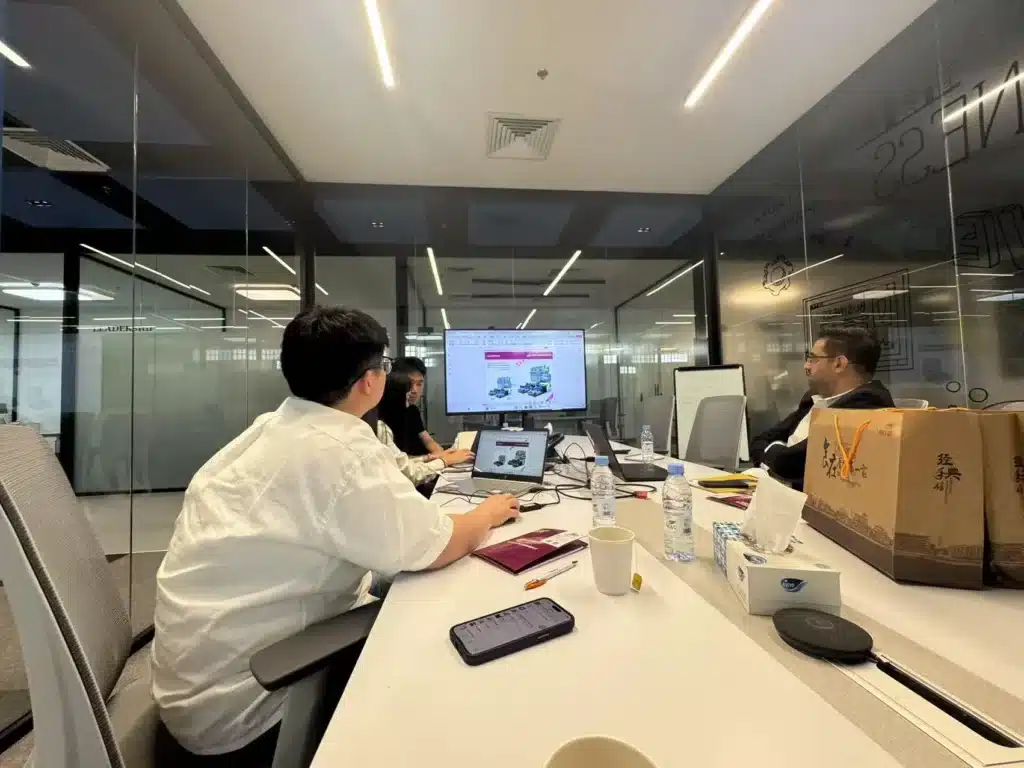
Step 4: Concept Design – Theme, Flow, and Differentiation
Your FEC needs a unifying concept that makes it memorable. Themed environments increase perceived value and encourage social media sharing.
Successful concept approaches:
Adventure/jungle theme – Indoor playgrounds shaped like trees, animal caves, and rope bridges. Works well for family‑oriented centers.
Space/futuristic theme – Dark interiors with LED lighting, digital interactive floors, and VR stations. Appeals to teens and young adults.
Sports arena theme – For trampoline dodgeball, climbing competitions, and ninja courses. Combine with a sports bar.
Multi‑model (all‑in‑one) – A single venue with distinct zones: soft play for toddlers, ninja course for older kids, AR darts for adults, and a café. This captures multiple revenue streams and age groups.
Design for flexibility: Use modular equipment that can be reconfigured or expanded over time. This allows you to refresh the experience without rebuilding the entire center.
Step 5: Entrance, Interior Design, and First Impressions
The entrance sets the tone for the entire visit. It should be welcoming, exciting, and efficient.
Key elements:
Attractive, themed facade – Use bright colors, oversized play elements (e.g., a giant slide visible from outside), and clear signage.
Check‑in and waiver processing – Use tablets or self‑service kiosks to reduce queues. For high‑capacity centers, implement online waivers before arrival.
Shoe storage and hygiene station – Mandatory for indoor soft play. Provide cubbies, benches, and hand sanitizer dispensers.
First visual impact – From the entrance, guests should see the most exciting attraction (a tall climbing wall, a large ball pit, or an interactive floor). This creates immediate excitement.
Interior design tips:
Use color zoning to define areas – warm colors for toddler zones, cool colors for active zones, neutral tones for dining.
Install acoustic panels to reduce noise, especially near dining and party areas.
Provide comfortable seating with direct views of play zones – parents will stay longer and spend more.
Step 6: Technology Integration – Enhancing, Not Replacing, Physical Play
Technology should complement physical activity, not isolate guests. Use it to increase engagement, simplify operations, and gather data.
Recommended tech applications:
Digital scoring and leaderboards – For climbing walls, ninja courses, and trampoline dodgeball. Display scores on large screens to encourage competition.
RFID wristbands – Allow cashless payments, track attendance, and even unlock party rooms. They also reduce the need for staff at every transaction point.
Online booking and waivers – Integrate with your website so guests pre‑book time slots, sign waivers, and pay deposits. This smooths entry and helps manage capacity.
Interactive play panels – Install touch‑screens or motion‑sensitive panels within soft play structures. They add educational or game elements without requiring VR headsets.
QR code ordering – At seating areas, let parents scan a code to order food and drinks directly to their table. This increases F&B revenue without adding waitstaff.
Cautious use of VR: VR headsets can be profitable if used in small, dedicated booths (e.g., 4–6 stations). However, be aware that VR users cannot eat, drink, or socialize while playing. To mitigate, position VR booths near a lounge area where friends can watch and order drinks. Limit VR to 5–10% of total floor space.
Avoid over‑automation: Keep some analog activities (slides, ball pits, climbing nets) because they require no maintenance and appeal to all ages.
Step 7: Seasonal Design – Year‑Round Appeal
Indoor FECs have a natural advantage in cold or rainy climates, but summer months can see a dip if you lack outdoor options.
Seasonal strategies:
Winter peak season – Maximize indoor capacity with holiday‑themed events, extended hours, and party packages.
Summer – If space permits, add a small outdoor attraction: a splash pad, a mini‑zip line, or a climbing structure. This retains families who want fresh air.
Flexible programming – Host after‑school programs on weekdays, teen nights on weekends, and adult‑only evenings (with bar service) on Friday nights. This keeps the venue busy across different demographics and times.
Step 8: Optimize Design for Operational Challenges
The most beautiful FEC will fail if maintenance is ignored or staff are unhappy.
Maintenance planning:
Choose durable, commercial‑grade equipment – Cheap materials will degrade quickly under heavy use. Invest in ASTM‑certified soft play components, powder‑coated steel frames, and easy‑to‑clean vinyl.
Create a daily inspection checklist – Before opening each day, staff should check for loose netting, compressed foam, damaged vinyl, and debris in ball pits.
Partner with reliable suppliers – Ensure that spare parts (foam blocks, netting panels, sensor modules) are available for at least 5–7 years after purchase.
Real‑time maintenance alerts – For digital attractions, use software that notifies technicians when a sensor or display fails.
Staffing and training:
Hire for attitude, train for skill – FEC staff need patience with children and energy for parties.
Cross‑train employees – The same person can manage the check‑in desk, supervise the soft play zone, and serve at the café. This reduces labor costs.
Empower staff to enforce safety rules – Give them clear protocols for capacity limits, age separation, and emergency procedures.
Retention strategies – Offer flexible hours, performance bonuses, and clear career paths (e.g., from attendant to shift supervisor).
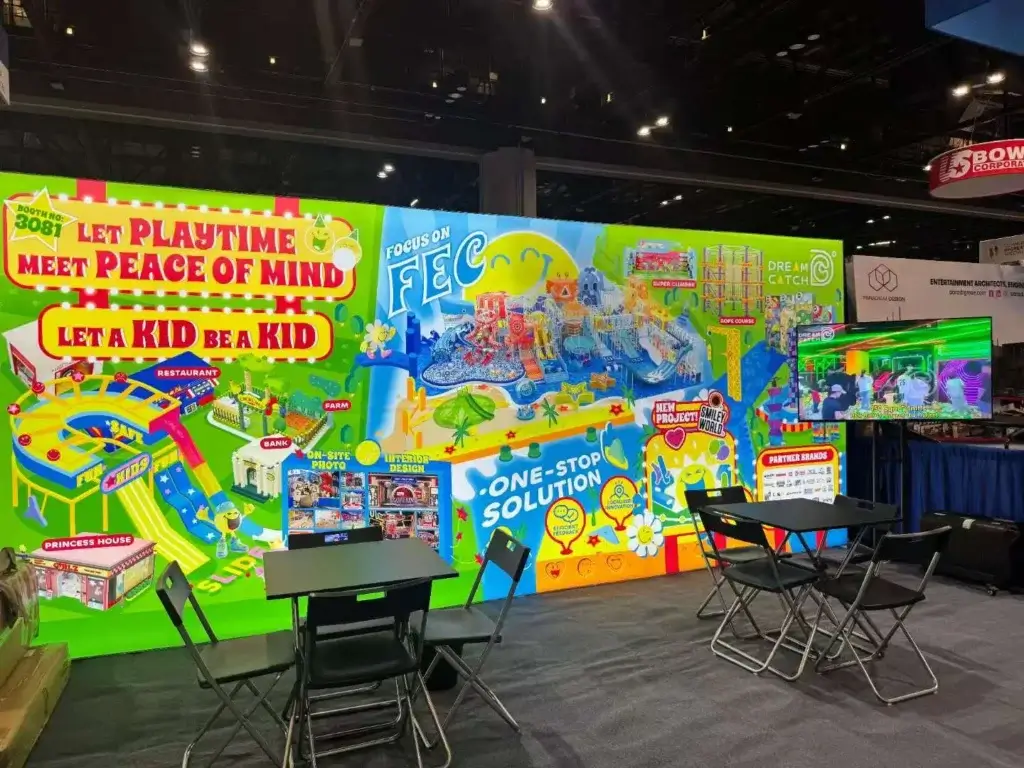
Diversity Is the Key to Long‑Term Profitability
A successful Family Entertainment Center is not a one‑size‑fits‑all formula. It is a balanced ecosystem of physical activity, digital interaction, social competition, and food & beverage. By designing for multiple age groups, mixing traditional and high‑tech attractions, and planning for operational efficiency, you create a venue that families visit weekly, teens choose for parties, and adults enjoy for after‑work socializing.
At Guangdong Dream Catch, we provide the indoor playground equipment, soft play structures, climbing walls, and interactive solutions that form the backbone of many profitable FECs. We do not push a single product – we help you design a custom mix that fits your space, budget, and audience.
Ready to build your FEC? Contact us for a free layout consultation and equipment proposal.