When investing in commercial indoor playground equipment, it is easy to focus on the visible features: colourful slides, climbing structures, padded obstacles, themed decorations, and interactive attractions.
However, the materials behind these features can have a major influence on the long-term performance of the playground.
The materials used in frames, connectors, padding, upholstery, netting, flooring, and decorative panels affect how equipment withstands repeated use, how easily it can be cleaned, how quickly components wear out, and how much maintenance an operator may need to budget for.
For Canadian indoor playground owners and family entertainment centre (FEC) operators, material selection should therefore be considered as part of the wider investment decision. The lowest initial purchase price does not necessarily represent the lowest long-term cost, and a material that performs well in one application may be unsuitable for another.
This guide explains the main materials used in commercial indoor playground equipment, the factors that influence safety and durability, and the maintenance practices that can help operators protect their investment.
Whether you are planning a new indoor playground, comparing manufacturers, or upgrading an existing facility, understanding these factors will help you ask better questions and make more informed purchasing decisions.

Why Equipment Materials Matter in Commercial Indoor Playgrounds
Commercial indoor playground equipment is exposed to repeated physical contact, climbing, jumping, impact, cleaning, and everyday wear.
Unlike equipment used occasionally in a private home, commercial installations may serve many different children every day. Components that appear satisfactory during a showroom visit can perform very differently after months or years of intensive use.
Material selection affects several important areas.
Safety and physical performance
Materials must be appropriate for the intended application and work together as part of the complete equipment design.
For example, the frame, fasteners, protective padding, netting, and landing surfaces each perform different functions. A strong frame does not automatically make an entire playground safe, just as soft padding does not eliminate every potential hazard.
The relevant questions concern the complete system, including its dimensions, construction, installation, intended users, and maintenance requirements.
Durability under frequent use
Repeated contact can cause abrasion, deformation, loosening, cracking, or deterioration.
The rate of wear depends on the material, manufacturing process, construction details, installation quality, cleaning methods, environmental conditions, and intensity of use.
A component designed for occasional residential use may not be suitable for a busy commercial venue.
Hygiene and cleaning
Indoor playgrounds require routine cleaning and inspection. Some materials are easier to clean than others, while certain surfaces can be damaged by unsuitable cleaning chemicals or procedures.
Operators need to know which cleaning methods are permitted, how frequently components should be cleaned, and whether damaged surfaces can retain dirt or moisture.
Maintenance and replacement costs
Materials influence the frequency of repairs, the availability of replacement components, and the amount of downtime associated with maintenance.
A replaceable cover, for example, may be easier to manage than a component that requires the entire assembly to be dismantled.
These differences should be considered when comparing equipment quotations.
Long-term business value
The condition of the equipment contributes to the appearance and overall experience of the venue.
Well-maintained equipment can help an operator preserve a clean, welcoming environment, while visibly worn surfaces, damaged padding, or neglected connections may undermine customer confidence.
The key principle is to evaluate materials according to their intended use, verified performance, maintenance requirements, and expected service conditions—not appearance alone.
The Main Materials Used in Commercial Indoor Playground Equipment
Commercial indoor playgrounds commonly combine several material categories. Each has different characteristics and should be evaluated according to its function.
Metal frames and structural components
Metal components may be used in support frames, posts, connectors, brackets, and other load-bearing elements.
Depending on the equipment design, manufacturers may use different types of steel or other metals, with protective finishes intended to suit the operating environment.
When evaluating metal components, ask about:
Material specifications
Dimensions and wall thickness where relevant
Structural design and connection details
Surface preparation and protective coatings
Corrosion protection
Fasteners and anchoring arrangements
Inspection and maintenance procedures
The material name alone does not establish the suitability of a structure. Performance also depends on the design, fabrication, connections, installation, and actual loads the system is intended to withstand.
For a custom commercial installation, relevant structural information should be available for review by the appropriate qualified professionals where required.
Foam padding and soft play components
Foam may be used in padded obstacles, soft climbing elements, protective components, and other parts of an indoor playground.
Its performance depends on the type of foam, density, thickness, shape, construction, and the way it is incorporated into the finished component.
When evaluating foam components, consider:
Whether the foam is appropriate for the intended application
Resistance to repeated compression
Ability to retain its shape
Compatibility with the outer cover
Cleaning and drying requirements
Availability of replacement components
Relevant material and fire-performance documentation, where applicable
A foam component that initially feels soft may not necessarily retain its shape under intensive use. Conversely, a denser foam is not automatically the best option for every application.
The appropriate specification depends on the intended function and the requirements of the complete equipment design.
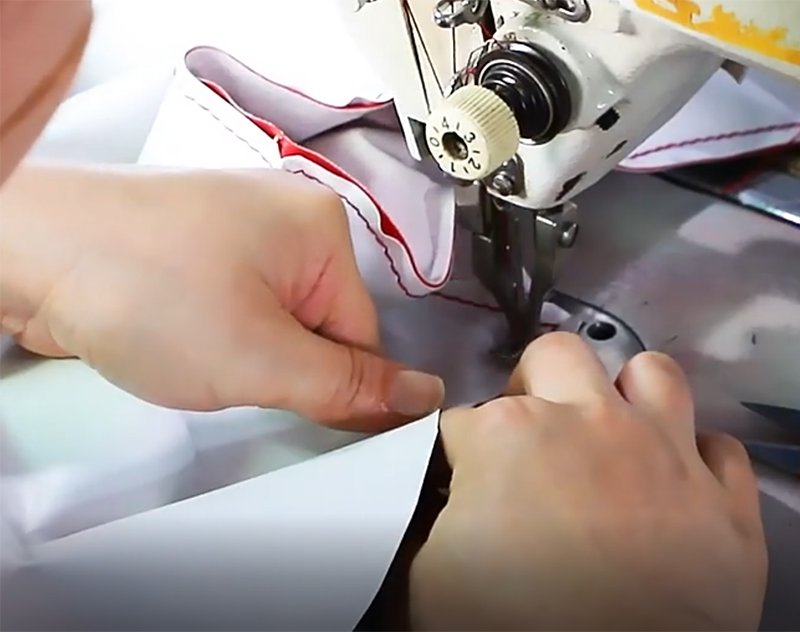
PVC, vinyl, and other upholstery materials
Upholstery and coated fabrics are commonly used to cover padded play components and create coloured, themed surfaces.
These materials need to balance appearance, flexibility, abrasion resistance, cleanability, and suitability for frequent contact.
When comparing upholstery materials, ask about:
Surface coating and material construction
Resistance to abrasion and tearing
Seam strength and stitching
Cleaning-agent compatibility
Resistance to cracking or peeling
Repair procedures
Availability of matching replacement covers
Relevant chemical and fire-performance documentation, where applicable
Material specifications should be supported by appropriate documentation rather than general statements such as “commercial grade” or “non-toxic.”
For Canadian projects, verify any applicable product-safety requirements based on the actual material, product category, and intended use.
Netting, ropes, and flexible barriers
Netting and ropes may form part of climbing areas, bridges, tunnels, barriers, or other play elements.
These components can experience repeated pulling, friction, abrasion, and contact with connectors or surrounding structures.
Important evaluation points include:
Material and construction specifications
Mesh dimensions and opening characteristics
Connection and attachment methods
Resistance to abrasion and wear
Inspection requirements
Replacement procedures
Compatibility with the equipment design
Netting should not be assessed by appearance alone. The complete system, including openings, attachments, tension, and intended use, must be considered.
Operators should follow the manufacturer’s inspection instructions and remove or restrict access to equipment when a condition could present a safety concern.
Plastics and moulded components
Plastic components may be used in slides, panels, tunnels, decorative features, interactive elements, and other parts of a playground.
Different plastics have different properties, and the appropriate choice depends on the intended application.
When reviewing plastic components, consider:
Material identification and specifications
Impact resistance
Surface finish
Resistance to cracking
Compatibility with cleaning products
Attachment methods
Replacement-part availability
Relevant testing or compliance documentation
Do not assume that all plastics have the same durability or chemical properties.
Where a component is exposed to repeated impact, friction, or particular environmental conditions, ask the supplier how its suitability has been established.
Wood and wood-based panels
Wood or engineered wood products may appear in themed structures, role-play areas, furniture, decorative elements, or selected play components.
These materials can support a distinctive design, but their performance depends on the product specification, finish, edge treatment, connections, and intended use.
Consider:
Surface smoothness
Edge and corner protection
Resistance to splintering
Coating durability
Moisture sensitivity
Cleaning requirements
Structural suitability
Repair and replacement options
A decorative panel should not automatically be treated as a load-bearing component. Structural functions and material suitability should be established in the approved design.
Flooring and impact-absorbing surfaces
Flooring is an important part of the overall play environment, particularly where children may fall from elevated surfaces or use high-energy attractions.
Different areas may require different flooring solutions according to the activity, fall potential, equipment design, and applicable requirements.
When assessing flooring and protective surfacing, consider:
Suitability for the intended play activity
Impact-attenuation performance where required
Slip resistance
Seam and edge conditions
Cleanability
Resistance to wear
Accessibility and circulation
Inspection and replacement procedures
A surface that feels soft underfoot is not necessarily an appropriate protective surface for a particular fall height or equipment configuration.
Where impact performance is required, request relevant test documentation and verify that the tested system corresponds to the proposed installation.
Decorative finishes, laminates, and themed panels
Decorative materials contribute to the visual identity of a playground.
These may include printed graphics, coated panels, laminates, themed surfaces, and other visual elements.
Although decorative features may not be primary structural components, they can still affect cleaning, durability, maintenance, and the overall condition of the venue.
Review how the finishes respond to repeated contact, cleaning, abrasion, and potential impact. Also consider whether individual panels or graphics can be replaced without extensive reconstruction.
How to Evaluate Material Safety
One of the most important distinctions in equipment purchasing is the difference between a material specification and evidence that the complete equipment meets applicable requirements.
A material may have useful characteristics, but its suitability depends on how it is used within the finished product.
Start with the applicable equipment category
Different play equipment categories can be subject to different technical standards and requirements.
For example, ASTM F1918 addresses soft contained play equipment, while ASTM F1487 addresses public-use playground equipment. These standards have different scopes and exclusions, so neither should be assumed to cover every type of commercial indoor attraction.
For a Canadian project, identify the requirements applicable to the actual installation, including relevant Canadian standards, building and fire requirements, local rules, and any project-specific conditions.
A supplier’s general reference to an international standard is not a substitute for verifying its applicability to your project.
Request documentation for the actual product
Before approving an order, request relevant technical documentation for the equipment and materials being supplied.
Depending on the application, this may include:
Product and material specifications
Test reports
Certificates or declarations relevant to the product
Chemical or material safety information where applicable
Fire-performance documentation where required
Installation instructions
Maintenance instructions
Component identification and replacement information
Check whether the documentation identifies the actual product, material, model, or configuration being purchased.
A report for a similar product does not necessarily establish the performance of the product in your quotation.
Understand what certificates do and do not prove
A quality-management certificate, material test report, product certification, and complete-equipment assessment are different forms of evidence.
For example, documentation showing that a factory operates a quality-management system does not automatically prove that every playground component meets the applicable safety requirements.
Likewise, a test report for a material does not automatically establish the performance of the complete playground installation.
Ask the supplier to explain exactly what each document covers and whether additional assessment is required.
Review chemical and material information appropriately
Where relevant to the product category, intended use, and applicable requirements, buyers may need to review information about coatings, plastics, adhesives, upholstery, or other materials.
Health Canada provides guidance and regulatory information on consumer product safety, including requirements relevant to certain children’s products and restricted substances. Applicability depends on the specific product and its classification.
Do not assume that a general statement such as “eco-friendly,” “non-toxic,” or “child-safe” is sufficient evidence.
Request the appropriate supporting documentation and confirm the requirements that apply to the equipment being purchased.
Consider edges, seams, gaps, and connections
Material quality is only one part of safety. Construction details can be equally important.
During design review and inspection, consider:
Exposed edges and corners
Damaged or separated seams
Gaps between components
Protruding fasteners
Loose connectors
Worn protective covers
Openings and potential entrapment hazards
Surface damage that exposes underlying materials
The relevant criteria depend on the equipment and applicable requirements. Operators should follow the manufacturer’s procedures and obtain qualified advice when a potential hazard is identified.
Confirm that the materials are suitable for the operating environment
A material intended for light use may not be appropriate for a high-traffic commercial facility.
Ask suppliers to explain the intended service conditions, known limitations, cleaning requirements, and maintenance needs.
Where the venue will experience heavy use, frequent cleaning, or intensive group bookings, these factors should be reflected in the equipment specification and the maintenance plan.
How to Compare Material Durability
Durability is not a single property. It is the result of material characteristics, component design, manufacturing quality, installation, and operating conditions.
A practical comparison should focus on how each component is expected to perform in its specific role.
Resistance to abrasion and repeated contact
Surfaces used for climbing, crawling, sliding, and frequent hand contact may experience substantial wear.
Ask whether the manufacturer has relevant performance data and what maintenance or replacement intervals it recommends.
Where comparative test results are available, check whether the testing method and conditions are relevant to the actual application.
Resistance to deformation
Foam, flexible barriers, upholstery, and other components may change shape under repeated use.
Consider whether deformation could affect the intended function, create gaps, expose hard surfaces, or interfere with the equipment’s original configuration.
Inspection procedures should identify when wear or deformation requires repair or replacement.
Corrosion and coating performance
Metal components may be exposed to moisture from cleaning, environmental conditions, or other sources.
Ask about the intended protective finish, inspection requirements, and maintenance procedures.
If corrosion develops, the appropriate response depends on its location, extent, and effect on the component. Structural concerns should be evaluated by a qualified professional where necessary.
Resistance to cleaning and disinfecting products
Cleaning is a routine requirement in commercial play environments, but not every material tolerates every chemical or cleaning method.
Repeated use of an unsuitable product can cause discoloration, cracking, peeling, weakening, or other damage.
Obtain written cleaning instructions for the actual equipment and use only products and methods compatible with the manufacturer’s requirements and the applicable hygiene procedures.
Availability of replacement components
Even durable equipment will eventually require maintenance or replacement of some components.
Ask whether individual covers, panels, ropes, nets, connectors, or other parts can be replaced separately.
Also confirm whether replacement components can be ordered later and whether the supplier can identify them through drawings, part numbers, or an equipment schedule.
Suitability for commercial use
Do not rely on broad claims such as “heavy-duty,” “premium,” or “commercial grade” without supporting details.
Ask the supplier to explain the intended use, material specifications, relevant performance information, and maintenance expectations.
The most useful comparison is between products with clearly defined specifications and comparable operating assumptions.
Material Comparison: What Should Buyers Look For?
The following table provides a starting point for comparing common material categories. It is not a universal ranking because actual performance depends on the product specification and application.
| Material category | Common applications | Main evaluation points | Maintenance considerations |
|---|---|---|---|
| Metal frames | Supports, posts, brackets, connectors | Structural design, connections, protective finish, installation | Check for damage, loosening, corrosion, and finish deterioration |
| Foam padding | Soft obstacles, padded play elements | Compression behaviour, shape retention, suitability for intended use | Check for deformation, exposed hard components, and cover damage |
| PVC or vinyl upholstery | Padded surfaces, soft play covers | Abrasion resistance, seams, cleaning compatibility, repairability | Inspect for cracking, peeling, tears, and seam separation |
| Netting and ropes | Climbing areas, bridges, barriers | Construction, openings, attachments, wear resistance | Inspect for fraying, damage, looseness, and connector wear |
| Plastics | Slides, panels, tunnels, interactive components | Material specification, impact performance, cracking, finish | Check for cracks, sharp damage, loose attachments, and deterioration |
| Wood and engineered panels | Themed features, role-play areas, selected structures | Surface finish, edge treatment, moisture sensitivity, structural suitability | Check for splinters, loose connections, surface damage, and coating wear |
| Flooring and protective surfacing | Play zones, landing areas, circulation routes | Intended use, impact performance where required, slip resistance | Inspect seams, edges, wear, damage, and cleaning compatibility |
| Decorative panels and graphics | Themed environments, visual features | Finish durability, cleanability, replaceability | Check for peeling, fading, damage, and exposed edges |
Use this comparison to develop questions for suppliers, not to select a material without considering the complete equipment design.
Cleaning and Maintenance: What Operators Need to Know
Even appropriately specified materials can deteriorate if cleaning and maintenance procedures are unsuitable.
A commercial indoor playground should have a documented maintenance plan that reflects the equipment manufacturer’s instructions, the intensity of use, the facility’s operating procedures, and applicable requirements.
Daily visual checks
Before opening, or at the frequency established by the facility’s procedures, staff should visually review relevant equipment and surrounding areas.
Depending on the equipment, checks may include:
Visible tears or damaged covers
Loose or missing components
Exposed hard edges
Damaged flooring
Worn netting or ropes
Unusual movement or instability
Debris or contamination
Other obvious changes in condition
Staff should know how to report defects and what to do when an item may be unsafe.
A visual check is not a substitute for more detailed inspections where these are required.
Routine cleaning
Cleaning procedures should identify which surfaces need attention, which products are permitted, and how components should be dried before use where necessary.
For upholstery and padded components, follow the specified cleaning method. Avoid assuming that a stronger chemical or more aggressive cleaning technique will produce better results.
For electronic attractions, electrical components, and sensitive surfaces, use the manufacturer’s instructions and any applicable technical requirements.
Cleaning schedules should reflect actual use, contamination, and the needs of the facility rather than relying solely on a generic timetable.
Scheduled detailed inspections
More detailed inspections should follow the manufacturer’s instructions and the requirements applicable to the equipment.
Depending on the system, these may include checking connections, anchors, structural components, netting, ropes, padding, flooring, moving parts, and other relevant features.
Inspection frequency should be based on the equipment, use intensity, observed condition, and applicable requirements.
If a defect could affect safety, the operator should restrict access to the affected equipment until it has been assessed and the necessary corrective action has been completed.
Keep maintenance records
A maintenance log can help operators identify recurring problems and demonstrate that the facility follows its established procedures.
Useful records may include:
Inspection dates
The person conducting the inspection
Observed defects
Cleaning or maintenance work completed
Replacement parts used
Equipment taken out of service
Corrective actions and completion dates
Relevant supplier or contractor communications
Recordkeeping can also help operators identify components that repeatedly require attention and evaluate whether a replacement or design change is appropriate.
Train staff to recognize material deterioration
Staff do not need to be materials engineers to recognize visible warning signs.
Training should help them identify common issues, report problems, follow cleaning instructions, and understand when equipment should be removed from use pending assessment.
The procedures should also identify who is authorized to complete repairs and who can approve equipment returning to service.
Common Signs That Equipment Materials Need Attention
Operators should pay attention to changes in equipment condition rather than waiting for a component to fail completely.
| Component | Warning signs | Recommended response |
|---|---|---|
| Upholstery | Tears, peeling, separated seams, exposed padding | Restrict access where necessary and arrange assessment or repair |
| Foam components | Permanent deformation, damaged covers, exposed hard parts | Evaluate suitability for continued use and replace damaged components as needed |
| Metal components | Corrosion, cracks, bent parts, loose connections | Restrict access if safety may be affected and obtain appropriate technical assessment |
| Netting and ropes | Fraying, broken strands, damaged attachments, excessive looseness | Follow the manufacturer’s procedures and arrange repair or replacement |
| Plastic components | Cracks, sharp damage, loose fittings, significant deformation | Remove from use where necessary and assess replacement |
| Wood and panels | Splinters, loose fixings, damaged edges, deteriorated coating | Repair or replace as appropriate and check the underlying cause |
| Flooring | Raised seams, tears, gaps, surface damage, movement | Restrict access where necessary and restore the required surface condition |
| Decorative finishes | Peeling, exposed edges, damaged panels | Repair or replace to maintain suitable condition and cleanability |
These examples are general indicators, not a complete inspection standard. The appropriate response depends on the equipment design, severity of the defect, manufacturer’s instructions, and applicable requirements.

How Material Choices Affect Total Cost of Ownership
When purchasing commercial indoor playground equipment, buyers should compare more than the initial price.
The total cost of ownership includes the purchase and installation costs, routine maintenance, cleaning, replacement parts, repairs, downtime, and eventual refurbishment or replacement.
Initial purchase price
A lower quotation may reflect a less expensive material specification, a different equipment configuration, a narrower scope of supply, or simply a different pricing strategy.
The price alone does not establish whether the product is better or worse.
Ask suppliers to specify the materials, construction details, included services, and relevant documentation so that quotations can be compared fairly.
Cleaning and labour
Some surfaces may be easier to clean or may tolerate a wider range of approved cleaning procedures.
However, cleaning requirements depend on the actual material and product construction. Ask for realistic instructions and consider the labour involved in maintaining the equipment in commercial use.
Repairs and spare parts
The availability and cost of replacement components can significantly influence long-term expenditure.
Ask whether parts can be replaced individually, whether the supplier maintains part numbers and technical drawings, and how replacement orders are handled.
Equipment downtime
When a component requires repair, the effect on operations depends on the location, repair complexity, and whether the affected area can be isolated.
A design that allows practical access and component replacement may help reduce disruption, but this should be confirmed for the actual system.
Refurbishment and replacement
Over time, operators may need to refresh worn components, replace decorative features, or update selected activities.
Consider whether the equipment supports selective refurbishment and whether replacement parts are likely to remain available.
Compare costs over a realistic operating period
When evaluating alternative materials or suppliers, consider a realistic period of ownership rather than focusing exclusively on the opening budget.
You do not need to predict every repair precisely. The objective is to identify the main cost drivers, understand likely maintenance responsibilities, and avoid choosing equipment based solely on its initial price.
Questions to Ask Your Indoor Playground Equipment Manufacturer
Before confirming an order, use the following questions to understand the proposed materials and the supplier’s maintenance support.
Material specifications
What materials are used in the main structural components?
What type of foam and upholstery are used in padded components?
What materials are used for netting, ropes, panels, and flooring?
Which components are designed for frequent commercial use?
Are material specifications included in the technical documentation?
Safety and testing
Which standards and requirements are relevant to this equipment category?
What test reports, certificates, or declarations are available?
Do the documents identify the actual products and configurations being purchased?
Are there any limitations on use, cleaning, or installation?
Is additional professional assessment required for the project?
Durability and maintenance
What are the expected maintenance tasks for each major component?
Which cleaning products and methods are permitted?
What signs of wear require repair or replacement?
Which components can be replaced individually?
Are replacement parts available, and how are they identified?
Are there maintenance manuals and inspection records for handover?
Warranty and after-sales support
What does the warranty cover?
Which materials or components are excluded?
How are defects reported and assessed?
What is the process for obtaining replacement components?
What technical support is available after installation?
Project delivery
Which material specifications will appear in the final approved documents?
Who is responsible for installation and any required technical reviews?
What documentation will be provided at handover?
How will design changes or substitutions be approved?
The answers should be specific enough to support a purchasing decision. If a supplier cannot explain a material specification or the documentation supporting a performance claim, request clarification before committing to the order.
Common Mistakes When Evaluating Playground Materials
Mistake 1: Choosing materials based on appearance
A material may look attractive in a showroom but may not be suitable for the intended commercial use.
Better approach: Evaluate the specification, intended application, performance evidence, cleaning compatibility, and replacement options.
Mistake 2: Assuming that softer materials are always safer
Soft surfaces can serve important purposes, but softness alone does not establish suitability for a particular application.
Better approach: Evaluate the complete equipment design and the relevant requirements for the intended use.
Mistake 3: Treating all plastics, foams, or fabrics as equivalent
Materials within the same broad category can differ significantly in composition, construction, and performance.
Better approach: Request specific material information and compare products on a like-for-like basis.
Mistake 4: Relying on generic safety claims
Terms such as “non-toxic,” “eco-friendly,” “premium,” and “international standard” can be too vague to support a technical decision.
Better approach: Ask what the claim means, which product it covers, and what documentation supports it.
Mistake 5: Ignoring cleaning compatibility
A cleaning product that works on one surface may damage another.
Better approach: Obtain written instructions for the actual equipment and train staff to follow them.
Mistake 6: Failing to budget for replacement parts
Even well-designed equipment requires maintenance over time.
Better approach: Confirm parts availability, replacement procedures, warranty exclusions, and the cost of foreseeable repairs.
Mistake 7: Treating maintenance as an occasional activity
Waiting until visible damage becomes severe can increase disruption and may create safety concerns.
Better approach: Establish documented inspection, cleaning, reporting, and repair procedures before the playground opens.
Practical Checklist for Evaluating Indoor Playground Equipment Materials
Use this checklist when comparing manufacturers or reviewing a proposed equipment specification.
Before purchasing
Identify the intended users and equipment category.
Confirm the applicable standards and project requirements.
Obtain specifications for the main materials and components.
Review relevant test reports and supporting documentation.
Confirm that documents match the actual equipment.
Review structural design, connections, and installation requirements.
Check the cleaning compatibility of major surfaces.
Confirm inspection and maintenance requirements.
Ask about replacement parts and expected support arrangements.
Compare total ownership costs, not only the initial quotation.
Before opening
Obtain the final equipment and material documentation.
Confirm installation and handover requirements.
Obtain cleaning and maintenance instructions.
Establish inspection and defect-reporting procedures.
Train staff to recognize visible deterioration.
Identify who can authorize repairs and return equipment to service.
Set up maintenance records and component identification.
Confirm applicable inspections and approvals.
During operation
Conduct the required routine visual checks.
Follow the approved cleaning procedures.
Record defects and corrective actions.
Inspect components at the required intervals.
Restrict access to equipment when a safety concern is identified.
Replace damaged components according to the relevant procedures.
Review recurring repair issues.
Reassess maintenance and replacement budgets periodically.
Frequently Asked Questions
What materials are commonly used in commercial indoor playground equipment?
Commercial indoor playgrounds may use metal frames, foam padding, PVC or vinyl upholstery, netting, ropes, plastics, wood-based panels, flooring systems, and decorative finishes.
The appropriate materials depend on the equipment design, intended use, performance requirements, cleaning procedures, and applicable standards.
Which material is best for an indoor playground?
There is no single best material for every component.
Metal may be suitable for certain structural applications, while foam and upholstery may be used in padded play elements. Plastics, netting, flooring, and decorative panels each serve different functions.
The correct choice depends on the intended application and the performance of the complete equipment system.
How can I tell whether indoor playground equipment materials are safe?
Start by identifying the applicable requirements for the equipment category and project. Request the relevant product specifications, test reports, certificates, declarations, and installation documentation.
Verify that the documents apply to the actual equipment being purchased. Where necessary, obtain professional advice to determine whether the proposed installation meets applicable requirements.
How often should indoor playground equipment be inspected?
Inspection frequency depends on the equipment, intensity of use, manufacturer instructions, applicable requirements, and the condition of the installation.
A facility should establish routine visual checks and any additional inspections required for its equipment. A generic schedule should not replace the manufacturer’s instructions or applicable technical requirements.
What cleaning products should I use on soft play equipment?
Use cleaning products and methods that are compatible with the actual materials and approved by the manufacturer.
Different upholstery, foam covers, plastics, and decorative finishes may have different requirements. Avoid assuming that one cleaning chemical is suitable for every surface.
How can I reduce indoor playground maintenance costs?
Useful measures include choosing appropriate commercial equipment, confirming the availability of replacement parts, following cleaning instructions, inspecting components regularly, training staff, and addressing defects promptly.
The aim is not to eliminate all maintenance expenditure. It is to manage wear, reduce avoidable damage, and keep the equipment in suitable operating condition.
Does a material certificate prove that the complete playground is safe?
Not necessarily. A document may cover a material, a particular component, a product, or a management system.
The scope of the evidence must be understood, and the complete installation may require additional assessment or documentation.
Should I choose the cheapest materials to reduce startup costs?
Not without comparing the specifications and long-term implications.
A lower initial price may be appropriate in some cases, but the decision should also consider durability, maintenance, replacement parts, installation, and the intended operating conditions.
Can I replace damaged materials without replacing the entire playground?
In many cases, individual components can be repaired or replaced, but this depends on the equipment design, component compatibility, availability of parts, and the nature of the damage.
Ask the manufacturer how repairs should be completed and whether replacement parts must be supplied or approved by the original manufacturer.
Conclusion: Choose Materials for the Life of the Playground, Not Just the Day It Opens
Commercial indoor playground equipment is a long-term business investment. The materials used in its construction influence the equipment’s condition, maintenance requirements, appearance, and suitability for repeated use.
For Canadian operators, a sensible purchasing decision should consider material specifications, applicable safety requirements, durability, cleaning compatibility, replacement parts, and the complete cost of ownership.
The most useful questions are not simply whether a material looks attractive or feels strong. They are whether it is appropriate for the intended application, whether its performance can be substantiated, whether the equipment can be maintained properly, and whether the supplier can support the product throughout its operating life.
Before purchasing, request clear documentation, compare suppliers on an equivalent basis, and establish a maintenance plan that reflects the actual equipment and operating environment.
Dream Catch® supports indoor playground projects through equipment design, manufacturing, and project delivery coordination. By considering material specifications, equipment design, site conditions, and maintenance requirements together, investors and operators can make more informed decisions about their commercial indoor playground projects.
Disclaimer: This article is intended for general educational and business-planning purposes only. It does not constitute engineering, legal, material-testing, or safety-compliance advice. Applicable requirements vary by province, territory, municipality, building type, equipment category, and intended use. Consult the relevant authorities and qualified professionals when evaluating specific materials, equipment, or installations.