
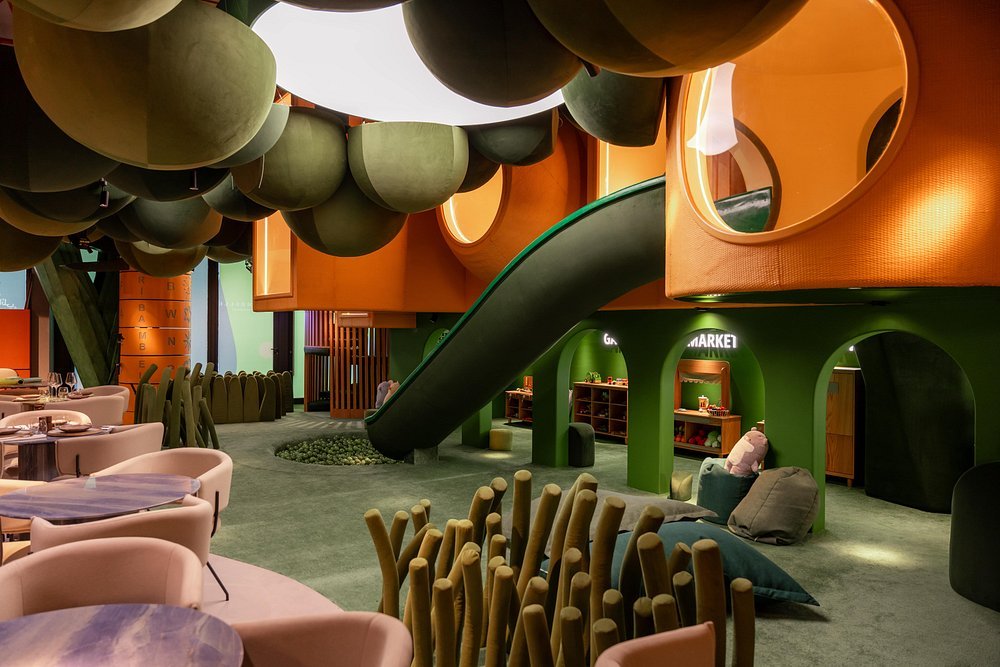
Creating an inclusive playground is no longer just a design trend. For schools, parks, communities, and commercial developers, inclusive play spaces have become an essential part of modern playground planning.
An inclusive playground allows children of all abilities to play, interact, explore, and learn together in the same environment. Unlike traditional playgrounds that may unintentionally exclude children with physical, sensory, cognitive, or social challenges, inclusive playground design focuses on accessibility, participation, comfort, and shared experiences.
This guide explains how to design an inclusive community playground that supports accessibility, sensory development, safety, social interaction, and long-term operational success.
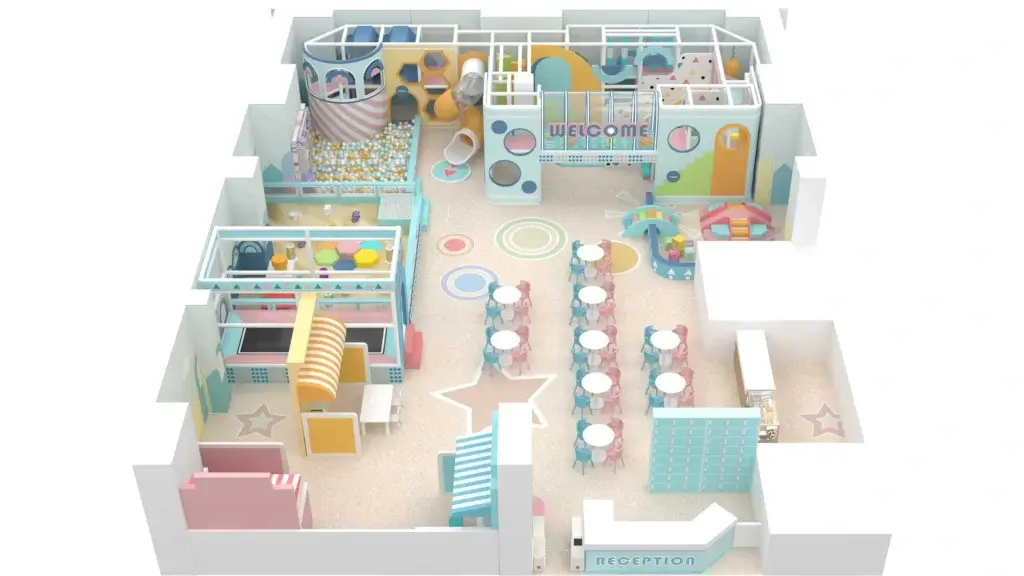
What Is an Inclusive Playground?
An inclusive playground is a play environment designed so children of different physical, cognitive, sensory, and social abilities can play together equally and safely.
Unlike standard playgrounds that focus mainly on physical activity, inclusive playgrounds are intentionally planned to support:
- Wheelchair accessibility
- Sensory-friendly play
- Social interaction
- Cognitive development
- Emotional comfort
- Multi-age engagement
Modern inclusive playgrounds often combine:
- Accessible routes
- Sensory play equipment
- Ground-level activities
- Quiet zones
- Adaptive swings
- Social play structures
- Inclusive surfacing systems
The goal is not simply ADA compliance. The goal is meaningful participation for every child.
Inclusive Playground vs ADA-Compliant Playground
Many people assume ADA compliance automatically means a playground is inclusive. In reality, these are not the same thing.
| ADA-Compliant Playground | Inclusive Playground |
|---|---|
| Focuses on minimum accessibility requirements | Focuses on full participation and engagement |
| Primarily addresses mobility access | Supports physical, sensory, cognitive, and social needs |
| Meets legal accessibility standards | Creates emotionally and socially welcoming experiences |
| Often centered on access routes | Focuses on play value for all children |
An ADA-compliant playground may technically meet regulations, but still fail to create meaningful inclusive experiences.
Modern community playgrounds should aim for both compliance and inclusivity.
Why Inclusive Playground Design Matters
Inclusive playgrounds provide benefits far beyond accessibility.
Social Development: Children learn empathy, cooperation, communication, and teamwork when playing alongside peers with different abilities.
Stronger Communities:Inclusive play spaces encourage families from diverse backgrounds to participate together, creating stronger community connections.
Higher Long-Term Usage: Inclusive playgrounds typically attract wider age groups and family demographics, increasing visitor retention and public value.
Better Public Image: For municipalities, schools, and commercial developers, inclusive playgrounds demonstrate commitment to accessibility, equality, and modern design standards.
Improved Project Competitiveness: Many government-funded or public projects increasingly prioritize inclusive playground planning during bidding and approval processes.
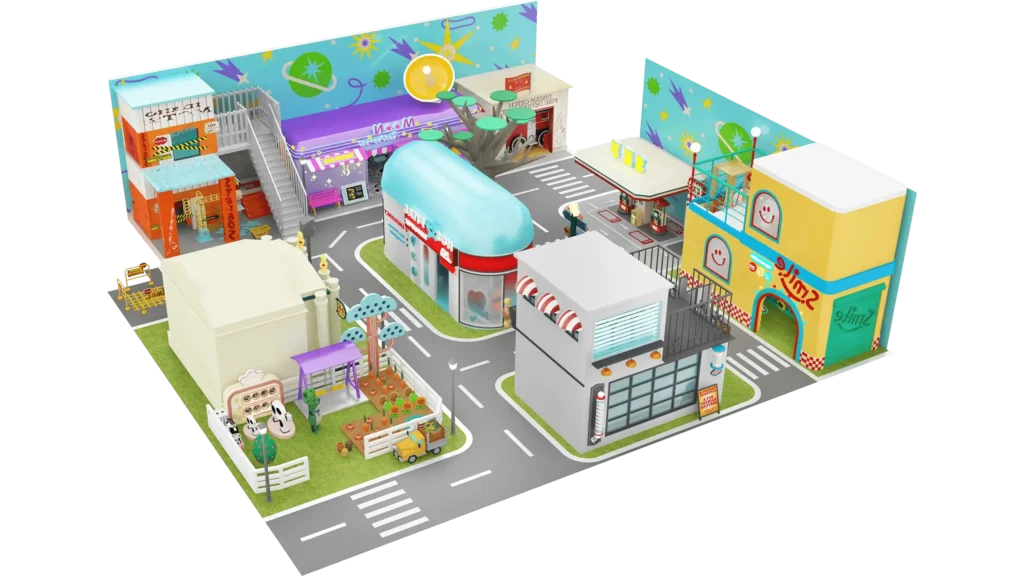
Key Principles of Inclusive Playground Design
1. Accessible Playground Layout
Accessibility begins with circulation planning.
Children and caregivers should be able to move comfortably throughout the entire playground without barriers.
Important Design Elements
- Wide accessible pathways
- Wheelchair-friendly surfacing
- Ramp access to elevated structures
- Smooth transitions between zones
- Clear wayfinding
Adequate turning space
Accessible routes should connect every major activity area rather than isolating accessible components in one corner.
2. Sensory Play Integration
Sensory play is one of the most important aspects of inclusive playground design.
Children process sensory information differently. A well-designed sensory playground helps children engage comfortably through touch, sound, motion, balance, texture, and visual interaction.
Popular Sensory Playground Features
- Musical play panels
- Texture walls
- Interactive sensory boards
- Water play systems
- Sand play areas
- Sensory tunnels
- Light and color interaction elements
Motion-based equipment
Sensory zones should include both stimulating and calming experiences.
3. Multi-Level Play Experiences
Inclusive playgrounds should provide activities for children with varying mobility levels and developmental abilities.
Ground-Level Play
Ground-level activities are essential for children who may not access elevated structures.
Examples include:
- Play panels
- Sensory stations
- Interactive games
- Social seating
- Sand and water play
Accessible spinners
Elevated Play
Elevated play areas should include ramp access whenever possible and offer shared experiences rather than separate “special needs” equipment.
4. Social Interaction Design
Playgrounds are social environments.
Inclusive playgrounds should encourage:
- Cooperative play
- Group activities
- Parent-child interaction
- Peer engagement
Imaginative storytelling
Effective Social Play Features
- Group swings
- Large net structures
- Multi-user seesaws
- Interactive role-play zones
Team-based play activities
Social play is especially important for children with developmental or communication challenges.
5. Quiet and Retreat Spaces
Not every child enjoys constant stimulation.
Some children may become overwhelmed by noise, movement, or crowds.
Quiet zones help children regulate emotions and re-engage comfortably.
Examples of Quiet Spaces
- Small sensory gardens
- Shaded seating areas
- Enclosed play huts
- Calm corners
Low-stimulation activity zones
These areas are increasingly considered essential in modern inclusive playground planning.
Best Inclusive Playground Equipment Ideas
The most effective inclusive playgrounds combine multiple types of play experiences.
Accessible Swings: Adaptive swings with supportive seating allow children with mobility limitations to safely enjoy swinging experiences.
Inclusive Merry-Go-Rounds: Ground-level accessible spinners allow wheelchair participation and group interaction.
Sensory Play Panels: Interactive panels support cognitive development and sensory engagement.
Accessible Climbing Structures: Wide ramps, transfer platforms, and graduated challenge levels help more children participate.
Communication Play Systems: Talk tubes, sound stations, and collaborative games encourage social interaction.
Inclusive Trampolines: Flush-mounted trampolines improve accessibility while supporting sensory and physical development.
Choosing the Right Playground Surfacing
Playground surfacing plays a major role in accessibility and safety.
Loose-fill materials such as wood chips or sand may create mobility barriers for wheelchairs and walkers.
Recommended Inclusive Playground Surfacing Options
| Surfacing Type | Accessibility | Maintenance |
|---|---|---|
| Poured-in-place rubber | Excellent | Medium |
| Rubber tiles | Excellent | Medium |
| Synthetic turf with padding | Good | Medium |
| Engineered wood fiber | Moderate | High |
Poured-in-place rubber remains one of the most common solutions for inclusive community playgrounds due to its smooth accessibility and impact absorption.

How to Plan an Inclusive Community Playground
A successful project begins long before equipment selection.
Step 1: Define User Groups
Identify:
- Age ranges
- Accessibility requirements
- Community demographics
- Expected visitor volume
Step 2: Analyze the Site
Consider:
- Terrain
- Sun exposure
- Drainage
- Access points
- Existing infrastructure
Step 3: Create Activity Zones
Modern playgrounds often divide spaces into:
- Attraction Zones: Large visual features that attract visitors.
- Sensory Zones: Interactive and calming sensory experiences.
- Social Zones: Group-based activities and seating.
- Quiet Zones: Retreat and emotional regulation spaces.
Step 4: Prioritize Safety and Visibility
Design should allow caregivers clear visibility across the playground while maintaining safe circulation patterns.
Step 5: Plan for Long-Term Maintenance
Inclusive playgrounds should remain functional and accessible for years.
Consider:
- Material durability
- Cleaning requirements
- Replacement part availability
- Climate resistance
Real Project Example: Inclusive Community Playground Concept
A recent community playground concept for a European public park included:
- Wheelchair-accessible circulation routes
- Sensory play garden
- Multi-user swing systems
- Inclusive climbing towers
- Rubber safety surfacing
- Quiet retreat pods
Multi-age activity areas
The design successfully increased family visitation while supporting local accessibility initiatives and inclusive community programming.
Common Mistakes in Inclusive Playground Design
Focusing Only on Compliance: Meeting ADA standards alone does not guarantee meaningful inclusion.
Separating Accessible Equipment: Accessible components should integrate naturally into the overall playground experience.
Ignoring Sensory Needs: Many inclusive playgrounds focus only on mobility while overlooking sensory processing needs.
Poor Surfacing Choices: Inaccessible surfacing can undermine the entire design.
Lack of Shade and Seating: Caregiver comfort strongly affects playground usability and visit duration.
Future Trends in Inclusive Playground Design
Modern playground design continues evolving toward more inclusive and immersive environments.
Key trends include:
- Nature-based inclusive play
- Sensory storytelling environments
- Multi-generational playgrounds
- Interactive digital play integration
- Universal design planning
- Sustainable playground materials
Community-centered play spaces
Inclusive playgrounds are becoming a standard expectation rather than a specialized feature.
Need Help Designing an Inclusive Playground?
Designing a successful inclusive community playground requires more than selecting equipment. It involves accessibility planning, circulation design, sensory integration, safety strategy, and long-term operational thinking.
Our playground design team can help with:
- Inclusive playground master planning
- ADA-compliant layout design
- Sensory play integration
- Custom themed playgrounds
- Community park planning
- 2D & 3D playground design support
Manufacturing and installation consultation
Whether you are planning a school playground, public park, church playground, or commercial family entertainment space, creating a truly inclusive environment starts with thoughtful design.
FAQ
What makes a playground inclusive?
An inclusive playground is designed so children of all abilities can participate equally through accessible layouts, sensory play, social interaction, and adaptive equipment.
What is the difference between accessible and inclusive playgrounds?
Accessible playgrounds focus mainly on mobility access and compliance, while inclusive playgrounds support broader physical, sensory, cognitive, and social participation.
What surfacing is best for inclusive playgrounds?
Poured-in-place rubber is one of the best choices because it provides smooth wheelchair accessibility and strong impact protection.
How much does an inclusive playground cost?
Costs vary depending on size, equipment, surfacing, customization, and installation requirements. Small community projects may start around $50,000, while large public playgrounds can exceed several hundred thousand dollars.
Why are sensory play features important?
Sensory play helps children develop cognitive, emotional, and social skills while supporting children with autism, ADHD, and sensory processing differences.