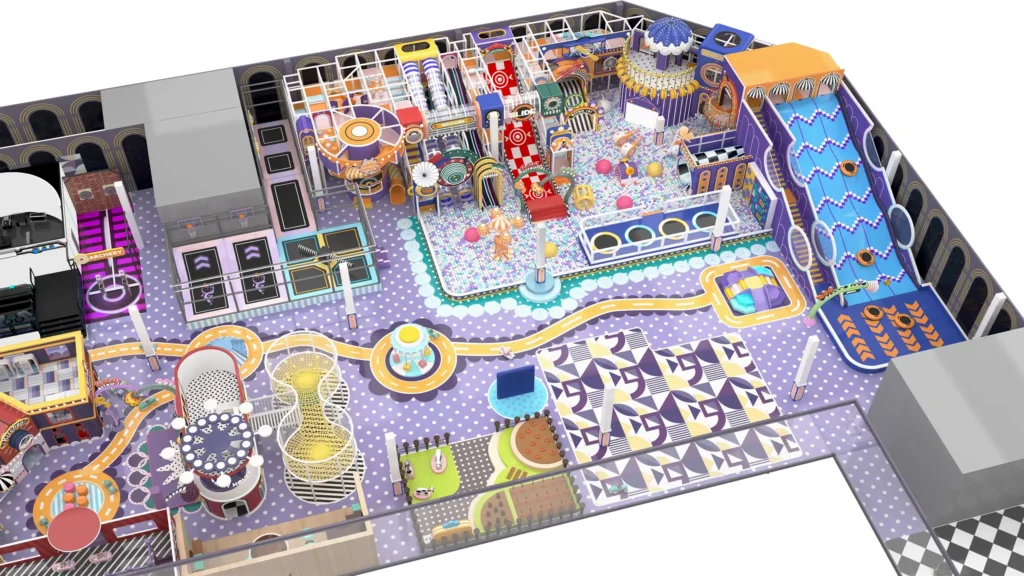
Indoor playgrounds and Family Entertainment Centers (FECs) have become one of the fastest-growing segments in the global location-based entertainment industry.
However, building a profitable entertainment venue requires more than installing attractions. Successful projects must carefully balance concept development, spatial design, operational planning, and financial modeling.
This guide outlines the key principles investors should follow when developing a successful indoor entertainment venue.
1. Start With the Right Market Positioning
Every successful project begins with a clear target audience.
Common market segments include:
| Segment | Target Audience |
|---|---|
| Children playground | Families with young children |
| Family entertainment center | Families with children and teenagers |
| Competitive social gaming | Young adults and corporate groups |
| Mixed entertainment hub | All-age audiences |
Understanding the target audience determines:
attraction mix
pricing strategy
interior design
marketing approach
2. Choose the Right Location
Location is one of the most important factors affecting venue performance.
Ideal locations include:
large shopping malls
lifestyle centers
tourist districts
mixed-use developments
Key location metrics:
| Metric | Ideal Benchmark |
|---|---|
| Catchment population | 500,000+ |
| Mall annual foot traffic | 10 million+ |
| Accessible parking | Yes |
| Public transportation access | High |
3. Optimize Space Allocation
Efficient space planning maximizes revenue per square meter.
Typical space allocation for a modern FEC:
| Area | Space Percentage |
|---|---|
| Attractions | 50–60% |
| F&B | 20–25% |
| Party rooms | 10–15% |
| Circulation and seating | 10–15% |
Proper layout design improves visitor flow and enhances the overall experience.
4. Balance High-Impact Attractions With Cost Efficiency
Large attractions can attract visitors but must be balanced with financial sustainability.
Example investment range:
| Attraction | Typical Cost |
|---|---|
| Indoor playground structure | $150,000–$600,000 |
| Rope course | $100,000–$400,000 |
| VR attractions | $20,000–$100,000 each |
| Kart track | $500,000+ |
Investors should combine high-impact anchor attractions with smaller experiences.
5. Design for Long-Term Flexibility
Entertainment venues must evolve with consumer preferences.
Flexible design principles include:
modular attraction zones
removable structures
adaptable digital attractions
This allows operators to update content without major reconstruction.
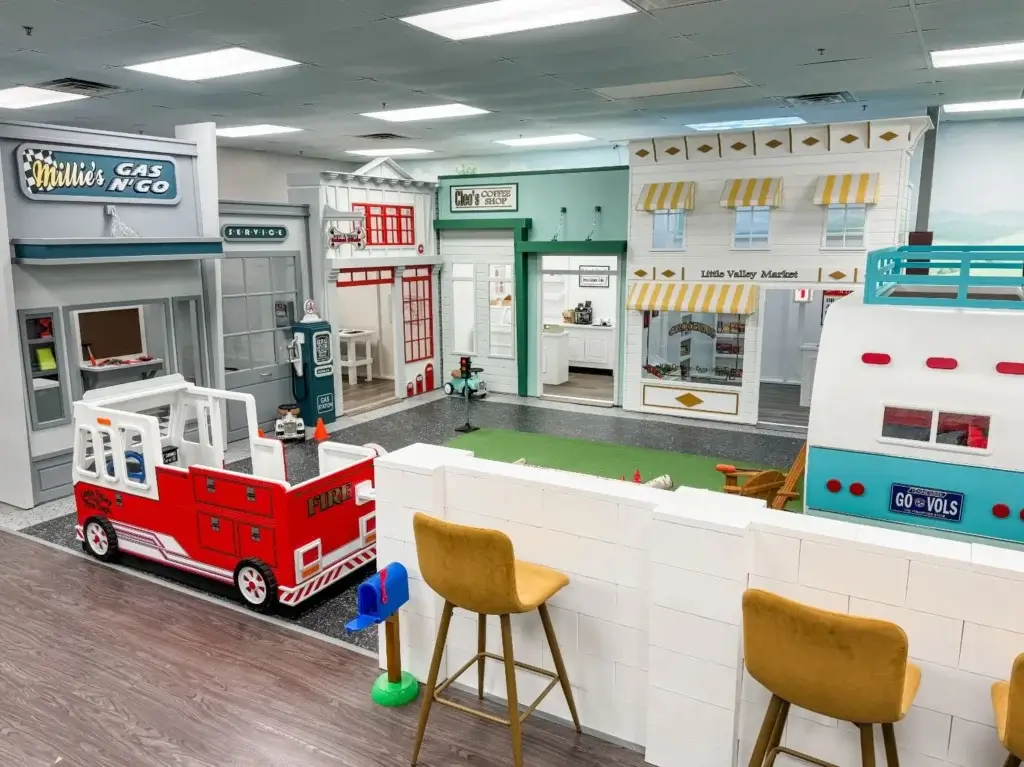
6. Develop a Strong Food & Beverage Strategy
Food and beverage offerings significantly increase revenue potential.
Popular F&B formats include:
themed cafés
casual restaurants
snack bars
dessert stations
Well-designed F&B areas also serve as social gathering spaces.
7. Integrate Technology and Data Systems
Modern entertainment venues rely heavily on digital infrastructure.
Key systems include:
RFID or digital wristbands
mobile apps
loyalty programs
analytics dashboards
These systems provide valuable insights into visitor behavior.
8. Create Multiple Revenue Streams
Diversified revenue streams improve financial stability.
Common revenue channels include:
attraction tickets
arcade credits
food and beverage
birthday parties
corporate events
merchandise
9. Plan for Efficient Operations
Operational efficiency is critical to profitability.
Key operational metrics include:
| Metric | Target Benchmark |
|---|---|
| Labor cost ratio | <25% revenue |
| Attraction utilization | >60% |
| Repeat visitation | 30–40% |
Efficient staffing and maintenance systems reduce operating costs.
10. Focus on Experience Design
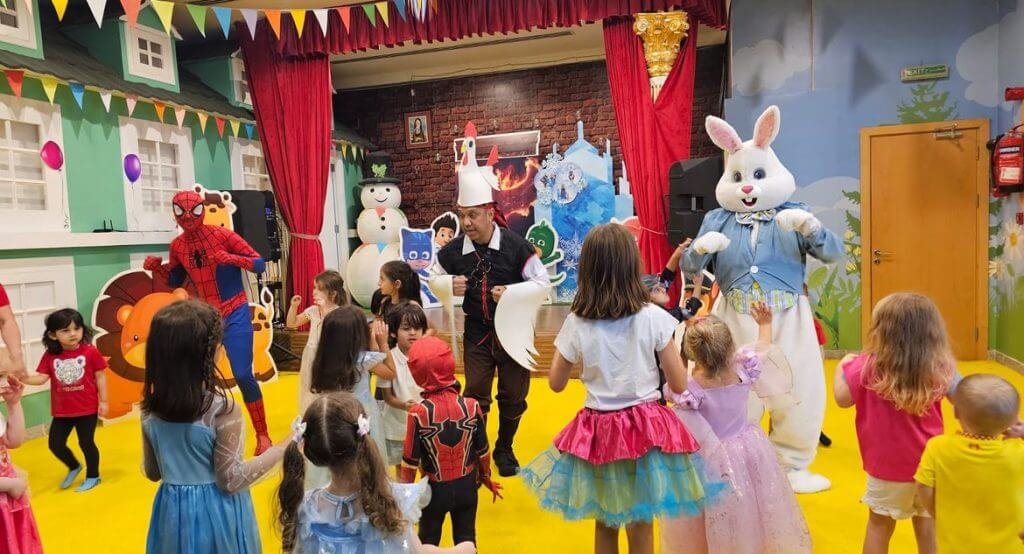
Ultimately, visitors return for memorable experiences.
Successful venues create:
immersive environments
social interaction opportunities
unique themed spaces
Experience design is the most important long-term competitive advantage.
Conclusion
Developing a profitable indoor entertainment venue requires careful planning across multiple disciplines.
Successful projects combine:
strategic market positioning
effective spatial design
diversified revenue streams
technology integration
strong operational management
Investors who adopt these principles can build entertainment venues that deliver both strong financial returns and unforgettable guest experiences.