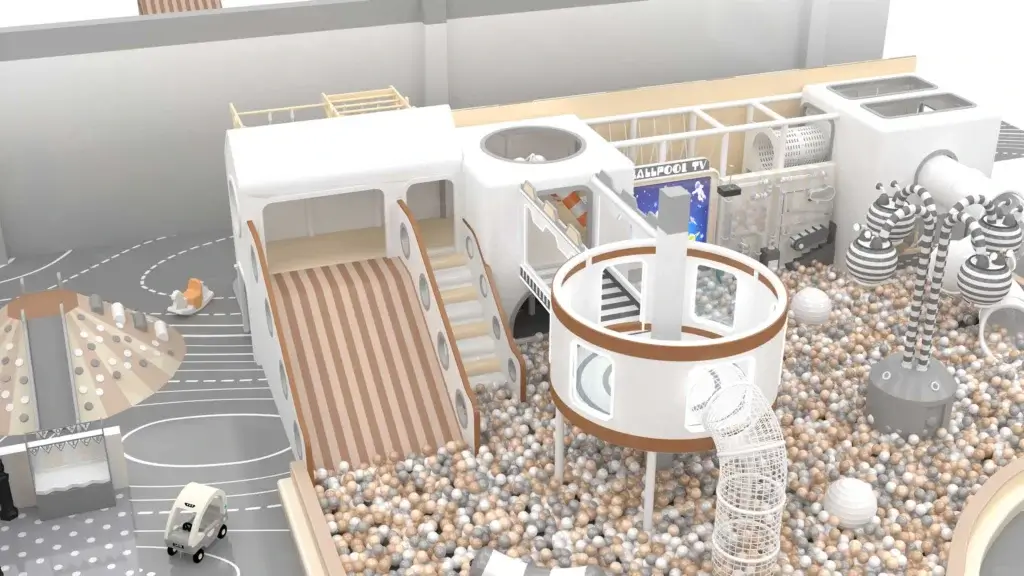
Selecting optimal playground equipment for church facility involves careful consideration of multiple factors, including available space, user demographics, safety requirements, and community engagement objectives. While traditional elements such as swings, slides, and climbing structures remain popular choices, the ideal configuration depends on the specific needs and constraints of your congregation. Creating a welcoming and engaging environment for families is a priority for many churches, and a thoughtfully designed playground serves as a significant asset in achieving this goal. This guide examines the considerations and possibilities that inform appropriate equipment selection for church settings.
Why Indoor Playgrounds Are Great for Churches
Church playgrounds provide children with a secure, supervised environment to engage in constructive activity while parents participate in services, programs, or events. This dedicated space fosters community cohesion as families connect through shared recreational experiences. Indoor playgrounds specifically encourage physical activity essential to childhood development, regardless of weather conditions or seasonal limitations.
The presence of quality play facilities can enhance church outreach by attracting families to your congregation. When parents know their children have access to a safe, engaging environment during services, weddings, funerals, or community events, they are more likely to attend regularly and participate fully in church life. This dynamic promotes a vibrant community where family unity is strengthened through shared experience. Additionally, well-designed playground solutions function as natural gathering points where families interact, building social connections that contribute to congregation vitality and retention.
Considering Safety and Durability in Church Playground Equipment
When selecting playground equipment for church applications, safety and durability must be primary considerations. Specify high-quality, non-toxic materials engineered to withstand varied environmental conditions and the wear patterns associated with frequent use. Appropriate material options for commercial-grade equipment experiencing heavy use include powder-coated steel for structural integrity, rotationally molded polyethylene for impact resistance, and treated wood products meeting industry preservation standards.
Establishing regular inspection protocols and maintenance schedules ensures equipment remains safe for continued use. Installing impact-attenuating surfaces such as engineered rubber mulch, poured-in-place rubber, or foam padding significantly reduces injury risk from falls. Investment in durable, commercial-grade equipment yields long-term cost benefits by extending service life and reducing replacement frequency compared to residential-grade alternatives.
Top Play Structures for Enhancing Community Engagement
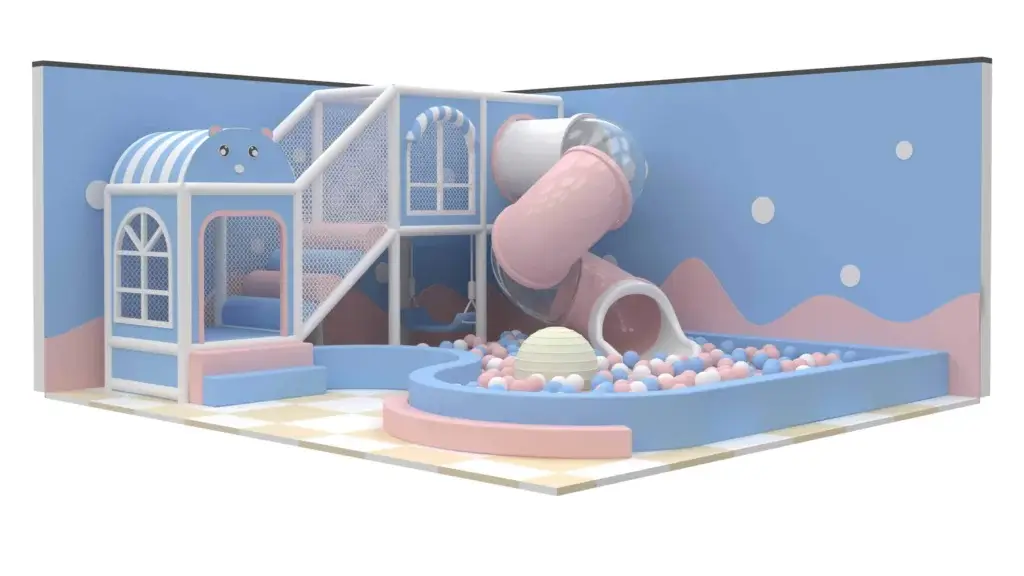
Strategically selected playground equipment can significantly increase community engagement within faith-based organizations. The following options represent proven approaches to creating inviting, activity-rich environments:
- Multi-Level Play Structures: These comprehensive systems ensure children of varying ages and abilities can participate in parallel or cooperative play. By consolidating multiple activity types—including slides, climbing elements, overhead events, and interactive panels—into a single footprint, these structures maximize play value while facilitating social interaction across diverse user groups. The integration of graduated challenge levels accommodates developmental progression, allowing equipment to remain engaging as children grow.
- Swing Sets: This classic equipment type maintains enduring popularity due to its universal appeal and developmental benefits. Swings provide vestibular stimulation essential for balance and spatial awareness development. The rhythmic motion offers regulatory benefits for children with sensory processing needs. With appropriate seat selection—including bucket seats for toddlers, belt seats for older children, and inclusive options for individuals with disabilities—swing sets accommodate broad user populations while promoting turn-taking and social coordination.
- Theme Playgrounds: Children naturally engage in imaginative play, and thematic design elements amplify this tendency by providing narrative context for physical activity. Whether configured as maritime vessels, medieval fortifications, or naturalistic landscapes, themed environments transform recreational equipment into catalysts for creative expression and cooperative storytelling. This imaginative engagement extends play duration and deepens social connections among participants.
Spring-Based Riders: Rocking equipment featuring recognizable forms—animals, vehicles, or fantasy characters—holds particular appeal for younger children. These ground-level options provide proprioceptive and vestibular input through controlled motion while requiring minimal space. Spring riders add visual interest to playground compositions and serve as transitional elements between active zones and circulation areas.
These options can be combined in various configurations to create engaging community spaces tailored to specific congregational needs. Thoughtful equipment selection fosters social interaction, physical activity, and community connection among children using the facility.
How to Maximize Limited Play Space in Churches
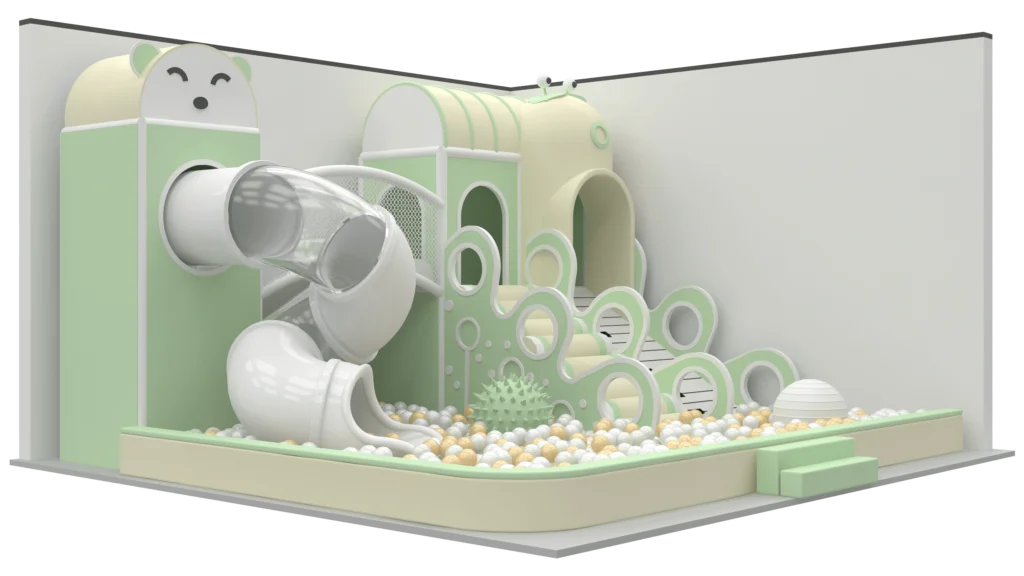
Limited available area requires strategic approaches to equipment selection and layout. The following strategies enable churches to maximize play value within spatial constraints:
- Compact Play Systems: These integrated units concentrate multiple play activities within reduced footprints. A single compact structure may incorporate slides, climbing nets, crawl tunnels, and interactive panels, delivering comprehensive play experiences in areas that cannot accommodate separate, distributed equipment. Manufacturers offer specifically designed compact systems with reduced use zone requirements suitable for confined indoor or outdoor spaces.
- Vertical Play Structures: Utilizing vertical dimensions preserves ground area while maintaining play value. Climbing towers, vertical climbing walls, and elevated platforms create challenging, engaging experiences without expanding horizontal footprint. Vertical design strategies are particularly valuable in indoor applications where floor area is limited but ceiling height permits elevated elements.
- Multi-Functional Equipment Configuration: Selecting equipment that serves multiple user groups or play types simultaneously optimizes space utilization. For example, play structures incorporating age-appropriate zones on different levels allow toddlers and school-age children to share equipment safely. Components that support both physical activity and social interaction, such as group swing elements or multi-user climbers, increase per-square-foot value.
- Portable and Temporary Play Elements: Items that can be deployed during programmed activities and stored when not in use preserve flexible space for other functions. Pop-up play structures, portable sports equipment, and modular soft play components allow churches to offer varied recreational opportunities without permanent space dedication. This approach is particularly valuable in multi-purpose facilities where the same space serves worship, fellowship, and recreational functions.
- Wall-Mounted Play Features: In confined areas, vertical surfaces represent underutilized play opportunities. Wall-mounted activity panels, climbing holds, sensory boards, and track-based games transform walls into interactive elements without consuming floor space. These additions enrich the play environment while preserving circulation area for safe movement.
Natural Play Elements: Incorporating landscape features such as configured boulders, treated logs, and contained sand areas creates versatile play zones that integrate aesthetically with church grounds. These elements often require less precise fall zone compliance than manufactured equipment and can be arranged to fit irregular spaces.
Through strategic application of these space-maximizing approaches, churches can provide rich play experiences even within significant spatial limitations. Play value need not be compromised when maximizing available area; thoughtfully selected multifunctional equipment ensures children remain engaged across varied activity types for extended periods.
The Role of Inclusive Play in Church Playgrounds
Inclusive play design ensures that all children, regardless of physical, cognitive, or sensory abilities, can participate meaningfully in playground activities. This approach is particularly aligned with faith-based values of universal welcome and community. Key considerations include:
- Promotes Social Integration: Inclusive equipment design encourages interaction among children of diverse abilities, fostering community understanding and relationship building across difference. When children play together regardless of capability, barriers dissolve and natural social connections form.
- Supports Physical and Cognitive Development: Accessible design allows children with disabilities to engage in physical activities that support motor development and cognitive stimulation. Equipment incorporating multiple access methods—ramps alongside climbers, ground-level panels alongside elevated components—ensures all children can participate at developmentally appropriate levels.
- Enhances Emotional Well-Being: Providing welcoming environments where all children can succeed in play builds self-esteem and emotional resilience. Children who may experience exclusion in traditional playground settings benefit particularly from spaces designed for universal participation.
Reflects Values of Acceptance and Compassion: Religious organizations demonstrate commitment to serving entire communities by investing in inclusive play environments. This visible commitment aligns with core values of compassion and universal welcome, reinforcing congregational mission through physical infrastructure.
By creating inclusive playgrounds, churches demonstrate authentic commitment to serving all community members while fostering belonging and joy for every child.
Conclusion
Selecting optimal playground structures for worship centers requires balanced consideration of safety, durability, spatial constraints, and inclusive design principles. By investing in high-quality commercial play equipment appropriate to their specific context, churches can create welcoming, engaging environments that serve children and families effectively. Appropriate playground investment not only enhances congregational community but also provides valuable service supporting children’s physical, social, and developmental growth.
Guangdong Dream Catch Recreation Equipment Co., Ltd. offers comprehensive support for churches seeking to establish or enhance playground facilities. Our team of experienced professionals is equipped to guide you through each project phase, from initial concept through final installation. Contact us with questions regarding product specifications, playground design, installation requirements, or any other aspect of creating your ideal church playground.