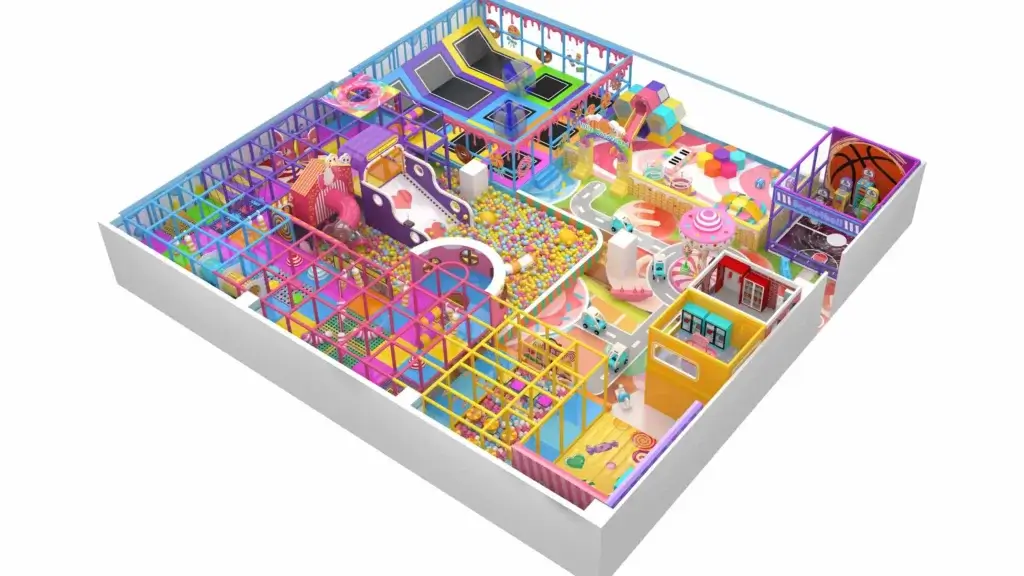
Finding or building the ideal indoor playground isn’t just about picking equipment — it’s about shaping an experience that fuels a child’s growth and gives parents peace of mind. While safe, thoughtfully designed play structures form the backbone of any great venue, the places families return to again and again are those that also get the invisible things right: cleanliness, comfort, attentive staff, and a warm, engaging atmosphere.
Whether you’re an investor planning a new family entertainment center, a school designing a recreational space, or a parent evaluating weekend play destinations, this guide blends two essential perspectives — scientific equipment design and day-to-day operational excellence — to help you recognize what truly matters for children aged 2 to 12.
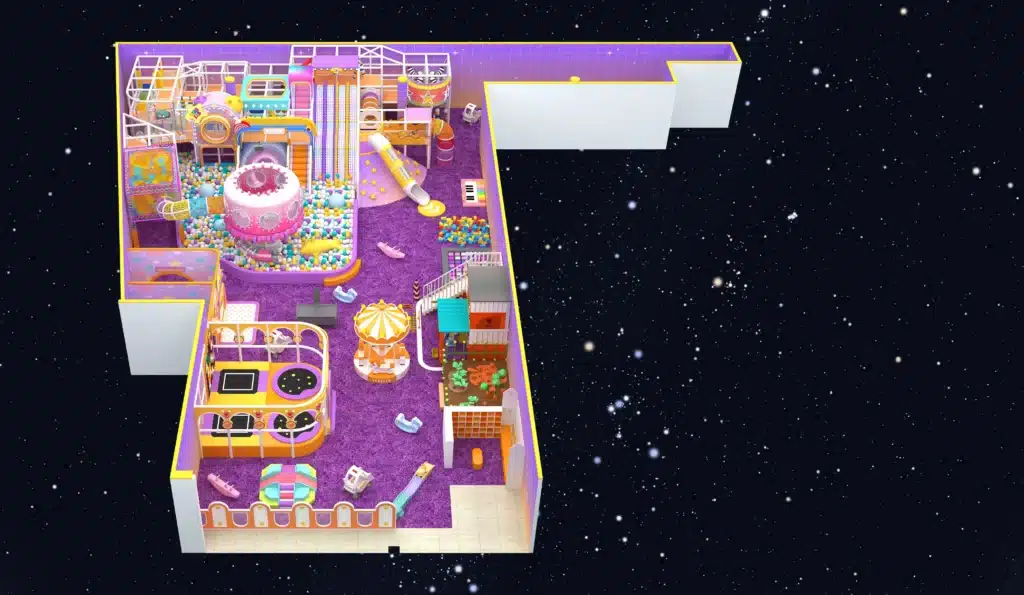
The Foundation — Developmentally Aligned, Safe Equipment
Children between 2 and 12 grow at dramatically different rates. A playground that captivates an eight-year-old can overwhelm a toddler, while an area that feels safe for a three-year-old may bore a pre-teen in minutes. This is why age-appropriate zoning isn’t a luxury — it’s a necessity.
Toddler & Preschool Zone (Ages 2–5)
For the youngest visitors, play areas must emphasize low-height platforms, soft surfacing, and simple, intuitive movement patterns. Equipment here should focus on:
Padded edges and non-slip flooring to protect early walkers and climbers
Low-slope slides, crawl tunnels, and sensory panels that stimulate motor skills and curiosity without intimidation
Visually separated boundaries from older kids’ zones to prevent accidental knocks and build toddlers’ confidence
Big Kids Zone (Ages 6–12)
Older children crave challenge, variety, and social play. Here, play structures should support more complex physical and cognitive engagement, such as:
Rope climbs, rock walls, and net bridges that develop coordination, strength, and strategic thinking
Higher slides, tube slides, and drop zones that build spatial judgment and courageous risk-taking
Modular circuits allowing varied routes and peer interaction, nurturing teamwork and social skills
Safety Engineering and Materials
Behind every great playground is rigorous compliance. Leading manufacturers like Dream Catch design all structures to meet ASTM / EN certification standards. That means:
Platform heights, guardrails, and handrails sized exactly to age-based ergonomics
Non-toxic, antimicrobial materials on every touchable surface
Impact-absorbing flooring tested for falls from maximum possible heights
Table 1: Age-Zone Design Quick Reference
| Age Group | Key Equipment Features | Primary Developmental Benefit |
|---|---|---|
| 2–5 | Low platforms, soft padding, sensory walls, mini slides | Motor skills, confidence, sensory exploration |
| 6–12 | Rope courses, climbing walls, multi-lane slides | Strength, coordination, social cooperation |
| All ages | Clear sightlines, soft landings, certified materials | Guardian visibility, injury prevention |
The Complete Experience — What Turns a Good Playground Great
State-of-the-art equipment sets the stage. But what parents remember, and what keeps memberships and party bookings rolling in, are the in-between moments. Jolly Roger Land, a popular play center, demonstrates that true excellence lies in the full family journey, from the moment they step inside.
Hygiene & Cleanliness: The Invisible Safety Net
Even the most advanced antimicrobial materials cannot replace rigorous daily cleaning. Young children, especially those aged 2–5, explore with their hands and mouths. In well-run facilities:
Ball pits are sanitized using specialized cleaning machines on a set schedule
High-touch surfaces like slides, climbing holds, and handrails are wiped down multiple times per day
Hand sanitizing stations are placed at entrances and transition points
Staff follow visible, clockwork cleaning routines, giving parents confidence without having to ask
A facility’s cleanliness is one of the fastest ways to judge its operational standards. Dusty corners, sticky surfaces, or absence of cleaning logs are clear red flags.
Parent Amenities: Because Comfort Matters Too
A playground should be a weekend recharge for the whole family, not just a place kids burn off energy while parents count the minutes. Smart operators design with guardian comfort front and center:
Unobstructed sightlines from seating areas so parents can supervise without hovering
Comfortable, adult-oriented seating with charging stations and free Wi-Fi
A quality café or snack bar serving coffee, tea, and healthy snacks — turning wait time into a mini break
Clean, spacious restrooms equipped with changing tables (and a little extra elbow room for a parent with two kids)
When parents feel at ease, visit duration lengthens naturally, and return frequency climbs.
Variety of Activities: Blending Physical & Creative Play
Not every child wants to climb at full throttle for two hours. Top-tier indoor playgrounds design for varied engagement levels, combining active zones with quieter, imagination-driven spaces.
Table 2: Activity Mix for a Complete Indoor Play Experience
| Activity Type | Suitable Ages | Example Features | Key Benefit |
|---|---|---|---|
| Gross Motor (Active) | 2–12 | Slides, trampolines, ninja courses | Strength, endurance, coordination |
| Imaginative & Role-Play | 2–5 | Mini kitchens, costume corners, playhouses | Language, social skills, creativity |
| Interactive & Cognitive | 3–8 | Wall-mounted puzzles, magnetic mazes | Problem-solving, fine motor skills |
| Arcade & Skill-Based | 6–12 | Age-appropriate video games, skill cranes | Strategic thinking, hand-eye coordination |
| Social & Event Spaces | All ages | Dedicated party rooms, celebration packages | Community building, hassle-free hosting |
The ability to host excellent birthday parties and group events is a major differentiator. Parents overwhelmingly prefer venues that offer all-inclusive packages — decorations, food, a private room, and cleanup — so they can enjoy the day without the stress of organizing it.
Staff & Active Supervision
Even the safest equipment cannot replace attentive human presence. Well-trained staff do more than just monitor; they set the emotional tone of the entire facility.
Team members actively roam play zones, rather than standing idle at a counter
They gently redirect unsafe behavior and offer help when a child hesitates on a new climbing route
Their energy — warm, engaged, and genuinely fond of children — creates an atmosphere where parents feel comfortable stepping back
When you walk into a playground and see smiling, proactive staff, it signals that management cares about more than just selling entry tickets.
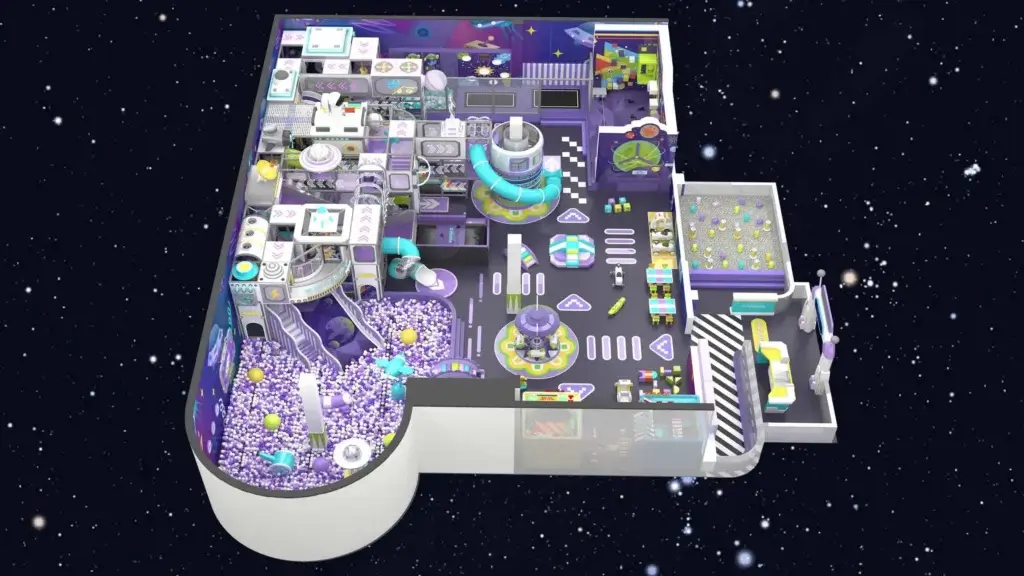
Conclusion: Building the Full Picture of Excellence
A truly outstanding indoor playground for ages 2–12 is built on two inseparable pillars: scientifically engineered, age-appropriate equipment and a full-family experience supported by cleanliness, comfort, variety, and professional care.
If you’re a parent, keep a simple checklist in mind on your next visit:
Are there clearly separated, padded toddler zones and challenging big-kid areas?
Does the venue feel visibly clean and smell fresh?
Can you sit comfortably with a coffee while keeping your child in view?
Do staff members interact warmly and step in when needed?
If you’re an investor or developer, know that choosing the right equipment manufacturer is only the beginning. Guangdong Dream Catch Recreation Equipment Co., Ltd. delivers exactly those foundations — ASTM / EN – certified, modular, ROI-driven play systems that maximize developmental value per square meter. But alongside expert equipment, the most successful venues learn from operators like Jolly Roger Land, weaving hygiene protocols, parent-friendly amenities, diverse activity zones, and heartfelt staff culture into everyday operations.
Building the perfect indoor playground means building an environment where every laugh strengthens confidence, every made friend sharpens social skills, and every return visit feels like coming home. When hardware and heart work together, families don’t just visit — they belong.